
Laser Cutting Materials 101: What You Can (and Can’t) Cut
Not every material belongs under a laser. Here’s a practical guide to what’s safe, what’s popular, and what to avoid completely.
Not every material belongs under a laser. Here’s a practical guide to what’s safe, what’s popular, and what to avoid completely.
Plywood & MDF
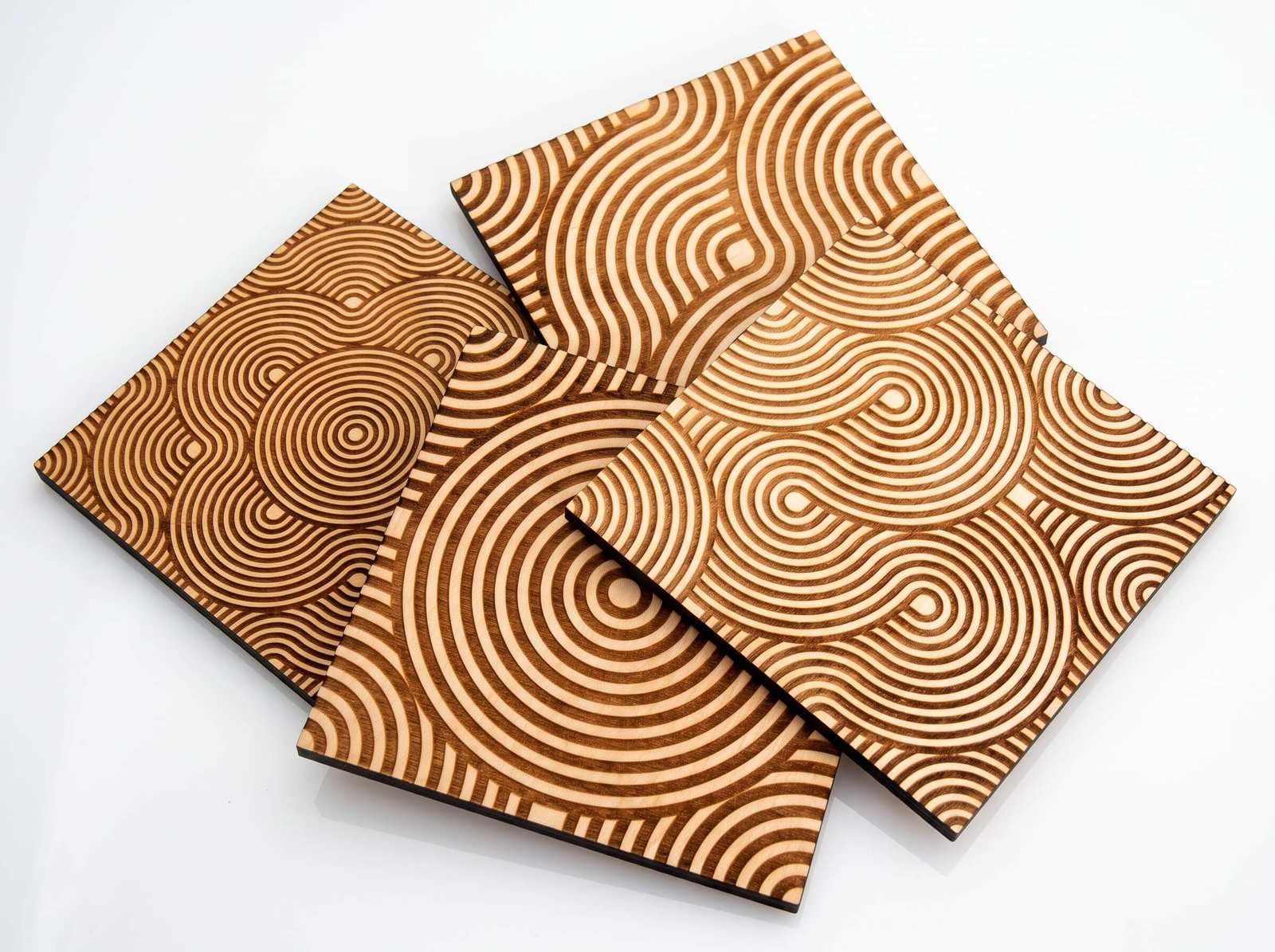
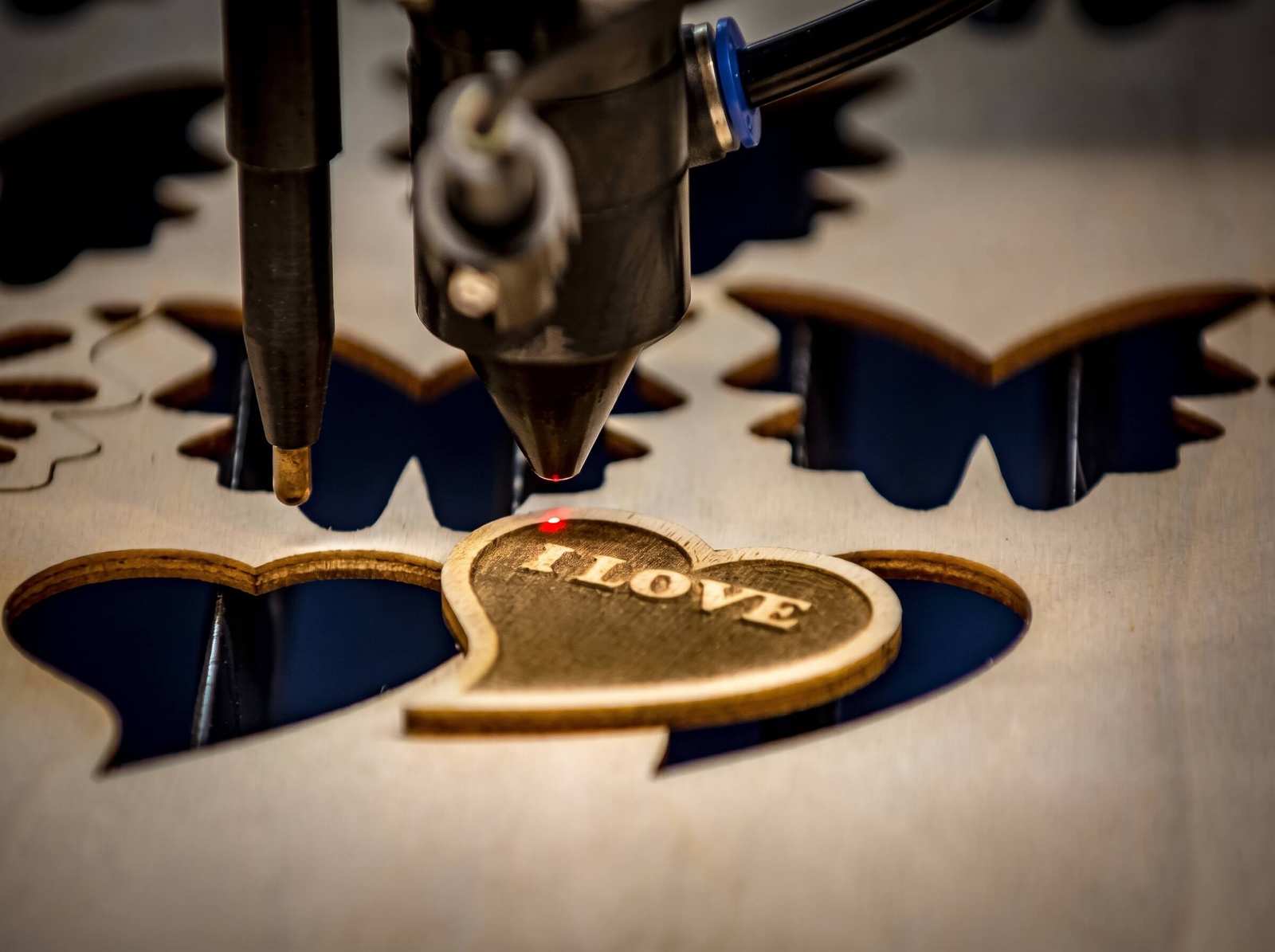
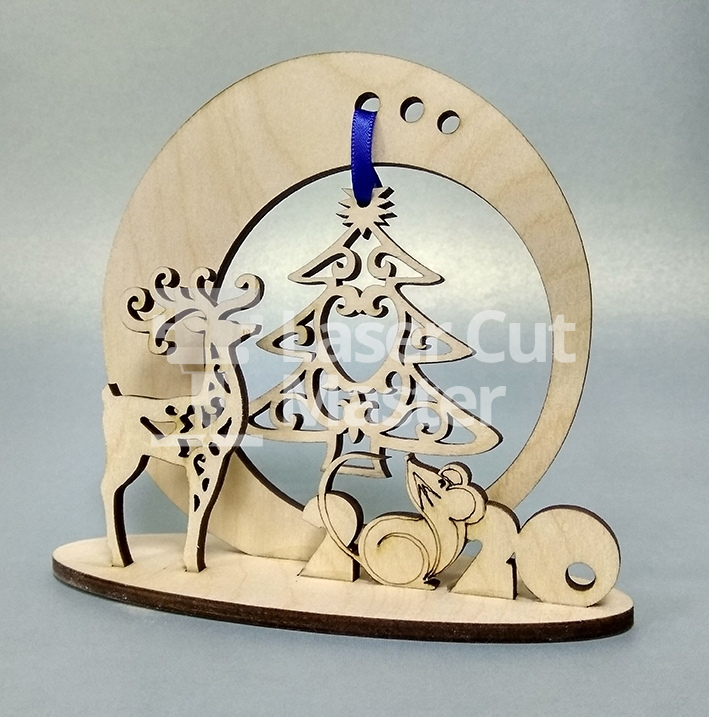
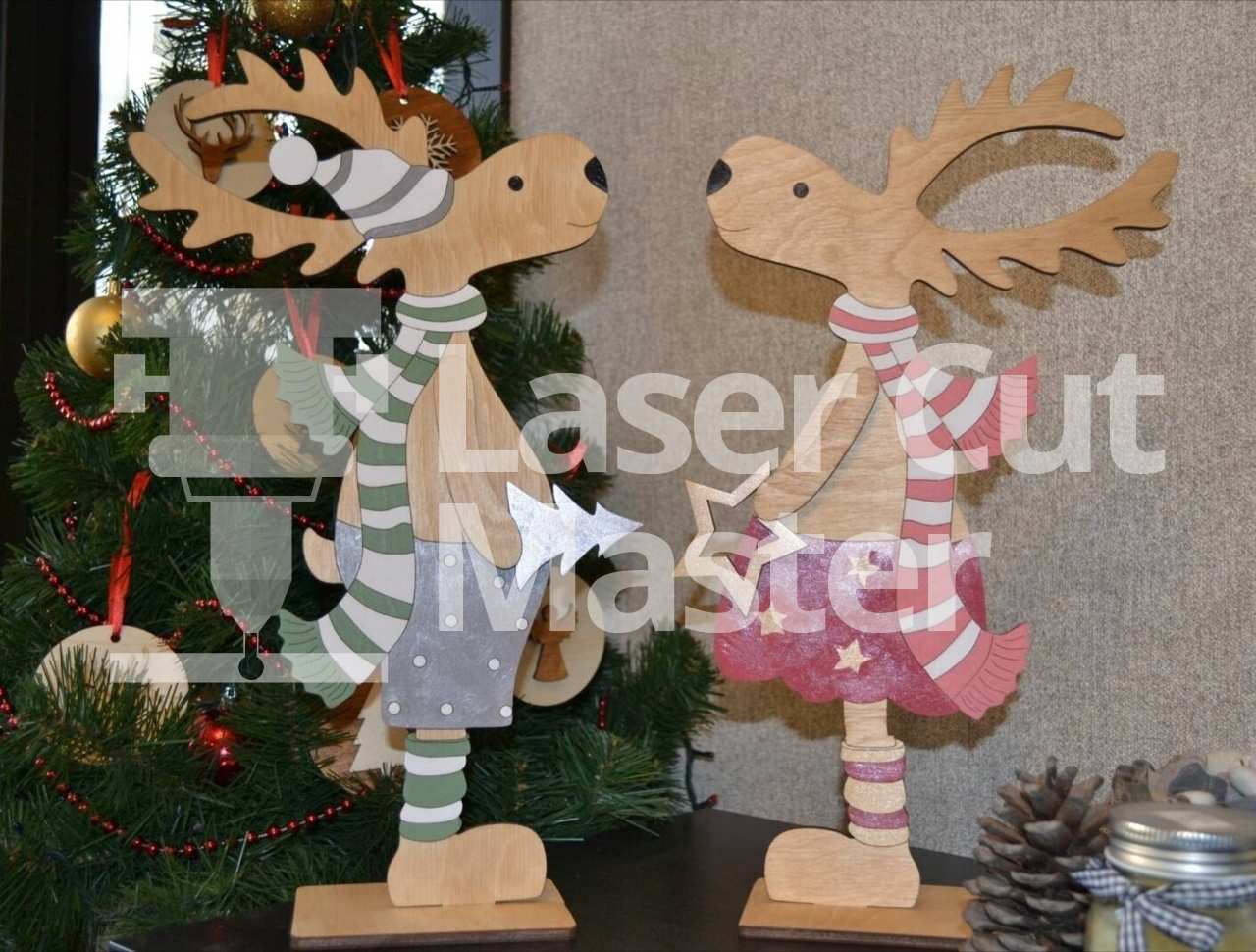
The most beginner-friendly materials. 3-6mm plywood cuts cleanly and engraves with great contrast on most CO2 machines.
Acrylic (Cast vs. Extruded)
Cast acrylic gives a frosted, polished engraving edge; extruded is cheaper but engraves more transparently. Both cut well.
Cardboard & Cardstock
Great for prototyping and packaging. Low power settings prevent excessive charring on thin cardboard.
Leather & Fabric
Real leather engraves beautifully, but always check for chrome-tanned leather, which releases harmful fumes when cut.
Always Check for Chlorine (PVC)
If you’re unsure what a plastic is made of, don’t cut it — PVC fumes are corrosive and dangerous to breathe.
Ventilation Matters More Than Power
Even safe materials like MDF release fine particulates. Good exhaust ventilation protects both you and your machine.
Test Scraps Save Money
A 1-inch test cut tells you everything about speed and power before committing to a full sheet.
Coated Materials Need Extra Care
Painted or coated wood can react unpredictably — always test a small area first.
Ready to start your next project?
Once you know your materials, put them to work with hundreds of ready-to-cut laser files.
Browse Laser Cut Files →