
What Can a Laser Cutter Cut?
The honest answer to the question everyone asks: what works, what only engraves, and what you should never put under the beam.
Before you buy material, upload a design or plug in a new machine, you need one answer: will this laser actually cut this material? It is the single most common question people type into Google about laser cutting, and the answer is never a simple yes or no. It depends on the type of laser (diode, CO2 or fiber), its wattage, the thickness of the material and, just as important, what that material is made of.
This guide sorts the most searched materials into three groups using a simple traffic-light system, so you can decide in seconds and avoid ruined sheets, damaged lenses and unsafe fumes.
Green: Materials That Cut Well
These are the everyday materials behind most of the projects you see online. A hobby CO2 laser handles all of them, and many can be cut with a diode laser too when they are thin.
Plywood and MDF
The classic choice. Birch plywood gives clean edges, MDF cuts evenly but makes more smoke and darker edges.
Acrylic (PMMA)
Cast acrylic cuts with a polished edge on a CO2 laser. Clear acrylic is invisible to most diode lasers, so they cannot cut it.
Paper and cardboard
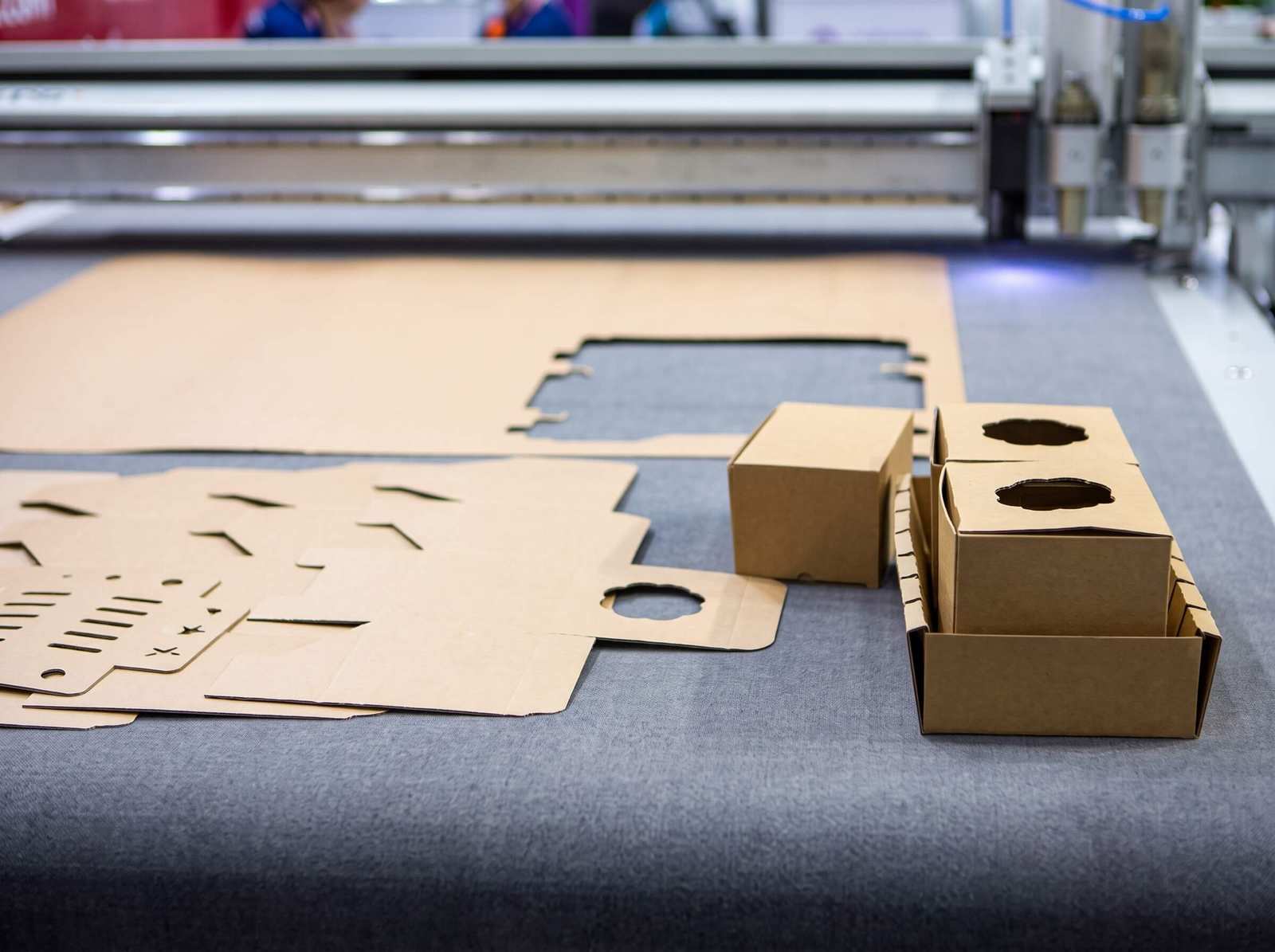
Cuts at high speed and low power. Use air assist and keep the settings low to avoid flaming.
Vegetable-tanned leather
Cuts and engraves beautifully with a rich dark edge. Ideal for keychains, patches and wallets.
Felt and natural fabric
Cotton, wool felt and many fabrics cut with sealed edges. Natural fibers fray less than you would expect.
Cork and rubber sheet
Cork cuts easily. Only use rubber sold as laser safe, since some compounds release harsh fumes.
Yellow: It Depends
These materials are where most confusion comes from. They can be worked, but not with every machine and not always by cutting.
Glass
A CO2 laser can engrave glass with a frosted mark but cannot cut it. It heats and cracks instead of slicing through.
Bare metal
Cutting metal needs a fiber laser. A diode or CO2 laser can only mark coated or anodized metal, or metal treated with marking spray.
Stone and tile
Engraves well and leaves a light contrast mark. It will not cut, and slate or marble give the best results.
Synthetic fabric
Polyester and nylon cut and melt the edge so it does not fray, but test first since melted edges can feel stiff.
Red: Never Put These Under the Laser
Some materials release toxic gas, corrode your machine or catch fire. There is no setting that makes them safe, so skip them completely.
PVC and vinyl
Releases chlorine gas that is harmful to breathe and corrodes the machine. Much sticker vinyl is PVC, so check before you cut.
Polycarbonate
Absorbs the beam, discolors, burns badly and gives off unpleasant fumes. Use acrylic instead.
Carbon fiber and fiberglass
The resin binders produce hazardous fumes and fine particles. Cut these with other tools.
Chrome-tanned leather
Many commercial hides are chrome tanned and can release harmful compounds. Stick to vegetable-tanned leather.
Which Laser Type Handles What?
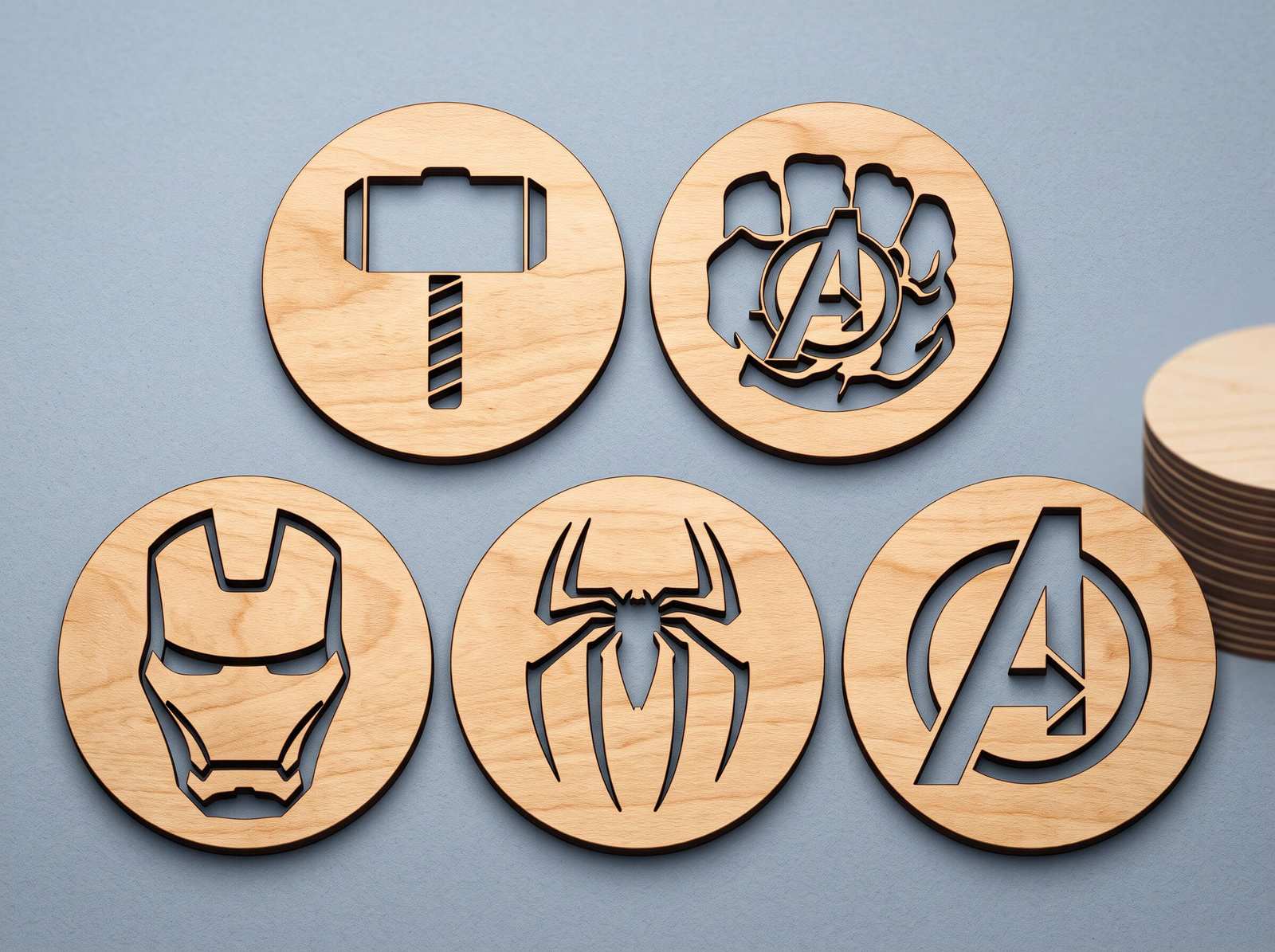
Wood and acrylic are the easiest materials to start with. Image: Laser Cut Master.
Your Questions, Answered
Can a laser cutter cut glass?
No. A CO2 laser can engrave glass with a frosted mark, which is perfect for bottles, mugs and awards, but it cannot cut through it. The glass heats unevenly and cracks. Cutting glass needs a diamond wheel or a waterjet.
Can a laser cutter cut acrylic and plexiglass?
Yes. Acrylic and plexiglass are the same family of plastic (PMMA). A CO2 laser cuts it cleanly with a smooth, polished edge. Diode lasers struggle, especially with clear or blue acrylic, because the beam passes through.
Can a laser cutter cut aluminum or metal?
Only a fiber laser can cut bare metal. A hobby diode or CO2 laser can mark anodized aluminum and coated metal, but it will not cut through. Metal marking spray helps CO2 lasers leave a permanent dark mark.
Do laser cutters cut paper and cardboard?
Yes, and very fast. Lower the power, raise the speed and use air assist to keep the paper from igniting. Fine paper cutting is one of the most popular uses for a small laser.
Does laser cutting fabric fray?
Natural fabrics like cotton and felt cut cleanly with very little fraying. Synthetics such as polyester melt slightly at the edge, which seals it. Always test a scrap piece first.
Do laser cutters need ventilation?
Always. Every material produces smoke and particles, and some produce harmful gas. Use an exhaust fan vented outdoors, keep the lid closed while cutting and never leave a running laser unattended.
Watch: What Materials Can a CO2 Laser Cut?
If you prefer to see it in action, this video walks through what a CO2 laser can handle, with real cuts on a range of materials.
Before You Cut: 5-Point Safety Check
- Confirm exactly what the material is made of. If you cannot identify it, do not cut it.
- Check that the sheet is flat and sits at the correct focus height.
- Turn on air assist and your exhaust fan before starting.
- Run a small test cut on scrap to dial in power and speed.
- Stay beside the machine for the whole job and keep a fire extinguisher nearby.
Ready to Cut Something Great?
Browse ready-to-cut files designed for the materials above.
Explore Laser Cut Master